Observe without creating a test of strength
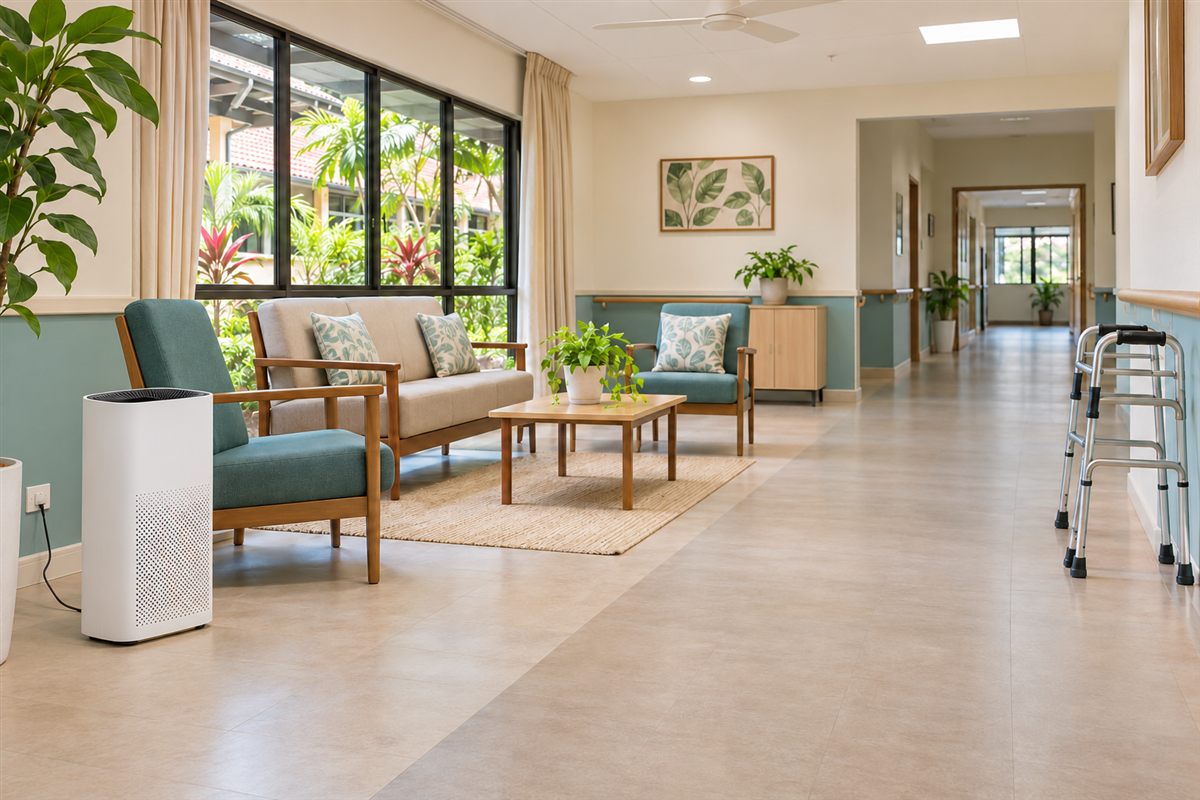
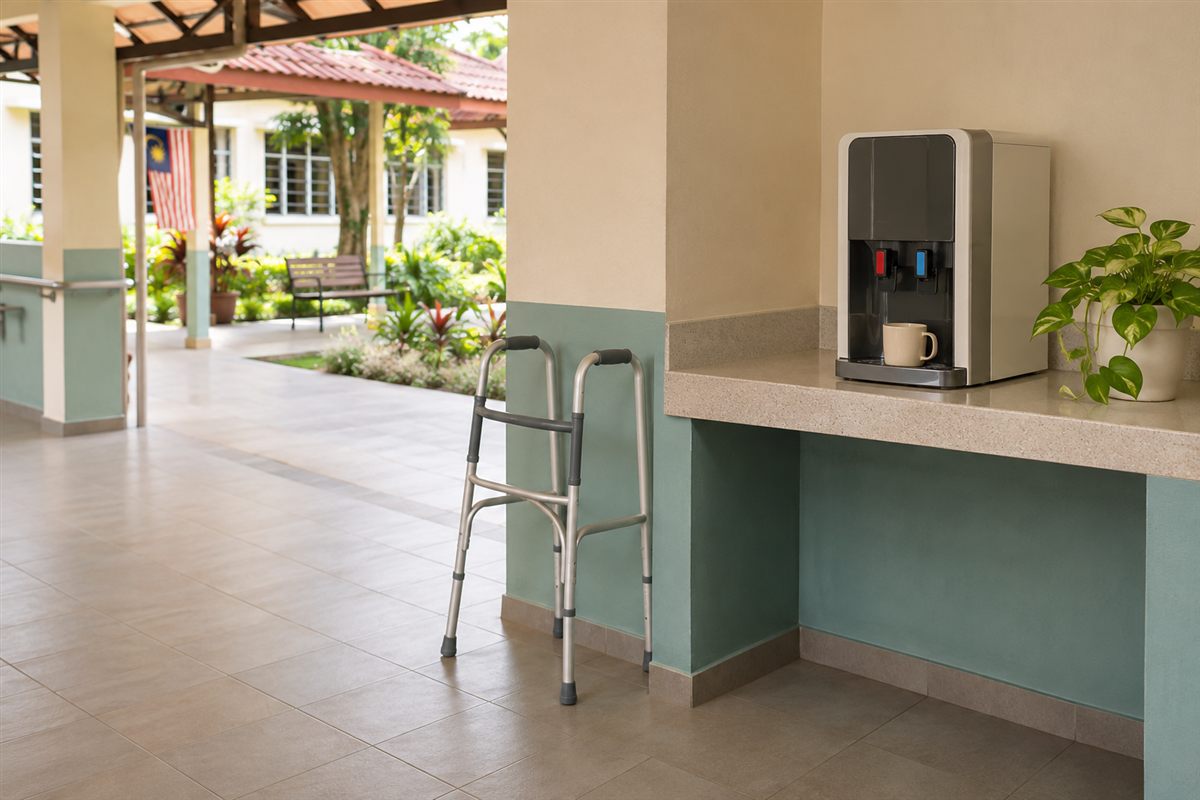
With consent and appropriate support, ask users to show how they would approach and use the station. Include seated users and people with walking aids where relevant.
Do not ask anyone to lift a heavy container or handle hot water to prove that a location works. Record whether assistance is needed and who would provide it.
Look at controls and the surrounding space
Check whether labels and controls are understandable, whether a cup can stand securely, and whether operation requires simultaneous actions that are difficult for a user. Review hot-water access with the care team.
A child lock is a feature to assess, not evidence that scalding risk has been resolved. Maintain an unobstructed approach and a plan for spills.
Match the station to its users
Avoid publishing a single tap-height number as universally accessible. The right arrangement depends on the user, equipment and local accessibility requirements.
Where a station needs assistance, provide a clear, reliable service arrangement instead of assuming residents will improvise. Recheck after changing the dispenser or adjacent furniture.
Put it into practice
Your planning worksheet
An access and usability observation checklist.
| Observation | Notes / action |
|---|---|
| Approach and turning | Walking aid or seated approach; furniture conflicts |
| Reach and sight line | Can the person see and reach the controls? |
| Cup support | Stable placement and removal without awkward lifting |
| Controls and hot water | Comprehension, required force and assistance plan |
| Spills and exit route | Who responds; clear route away from the station |
Sources & context
- US CDC — About Choosing Home Water Filters
Supports matching treatment to the water supply and specific contaminants. Dispensing calculations and worksheets are GAGE planning examples, not CDC recommendations.
Sources checked 9 November 2026. Worksheets are editorial planning tools. Confirm site-specific requirements, current local guidance and the instructions for the equipment you use.